Useful links
Home Drone Photography and Videography Drone Regulations DIY Drone Building Drone Maintenance
Home Drone Photography and Videography Drone Regulations DIY Drone Building Drone Maintenance
Category : | Sub Category : Posted on 2023-10-30 21:24:53
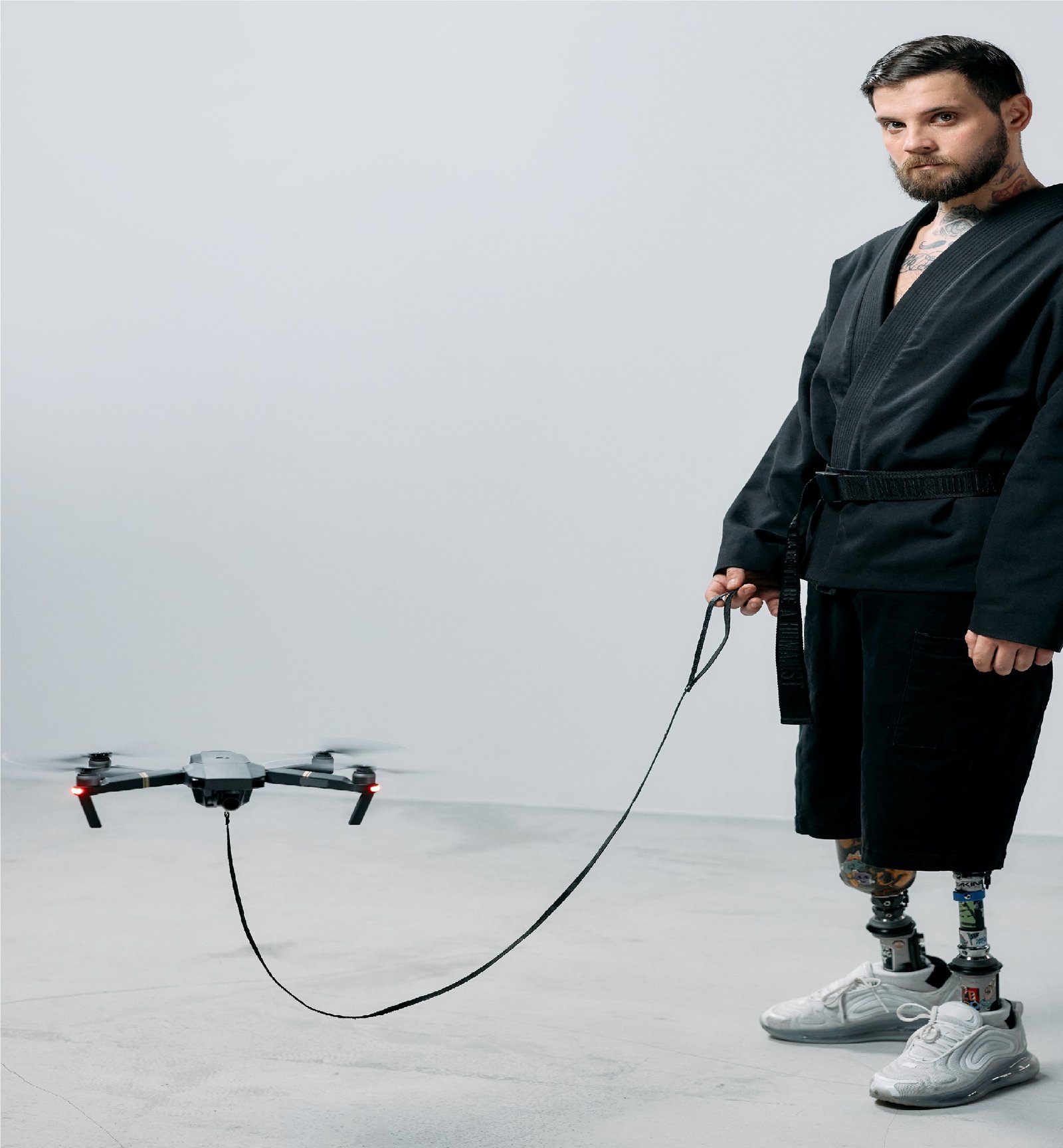
Introduction: With the increasing popularity of drones in various industries, they have become a fascinating subject of study at universities. DIY drones provide an excellent opportunity for students to gain hands-on experience and develop a deeper understanding of the technology. In this blog post, we will explore the essential components needed to build a DIY drone for academic purposes at universities in the USA. 1. Flight Controller: The flight controller is the brain of the drone, responsible for controlling its movement and stability. It receives signals from the pilot and sensors onboard, ensuring the drone stays level in the air. Popular options for study purposes include the Pixhawk and APM (ArduPilot Mega) flight controllers. These open-source systems are widely used and offer robust features for experimentation. 2. Motors and Propellers: Motors play a vital role in controlling the drone's movement. Brushless motors are commonly used for their efficiency and power. The selection of motors largely depends on the drone's size and payload capacity. Paired with motors, propellers provide the necessary thrust to keep the drone airborne. Manufacturers provide recommended propeller sizes, but experimenting with different sizes can help understand the impact on flight characteristics. 3. Frame: The frame forms the structure that holds all the components together. It needs to strike a balance between strength and weight. Drone frames come in various materials, such as carbon fiber, aluminum, and plastic. Depending on your study goals, you may opt for a ready-to-use frame or experiment with 3D-printed designs to explore customization options. 4. Electronic Speed Controllers (ESCs): ESCs regulate the speed and direction of the motors. They convert the signals from the flight controller into commands that control each motor's RPM. Make sure to select ESCs compatible with both your flight controller and motors. ESCs with built-in programmable features enable fine-tuning for additional experimentation. 5. Battery and Power Distribution: A drone's power source is typically a lithium polymer (LiPo) battery. The battery's capacity determines the flight time, so choosing an appropriate capacity is crucial for study purposes. Additionally, a power distribution board (PDB) or a more advanced power management module (PMM) is needed to distribute power from the battery to the various components. 6. Sensors: Sensors provide crucial data for the drone's stability and navigational capabilities. Common sensors include GPS modules, accelerometers, gyroscopes, and altimeters. Implementing sensors allows students to understand and experiment with different control algorithms and autonomous flight modes. Conclusion: Building a DIY drone for study at USA universities can be an incredible learning experience. By understanding the essential components and their functions, students can develop important skills in electronics, programming, and aerodynamics. As drone technology continues to evolve, the opportunity to contribute to cutting-edge research and innovation in this field becomes even more compelling. So, why not roll up your sleeves and embark on an exciting journey into the world of DIY drone components? For more information check: http://www.uncweb.com Seeking answers? You might find them in http://www.s6s.org


