Useful links
Home Drone Photography and Videography Drone Regulations DIY Drone Building Drone Maintenance
Home Drone Photography and Videography Drone Regulations DIY Drone Building Drone Maintenance
Category : | Sub Category : Posted on 2023-10-30 21:24:53
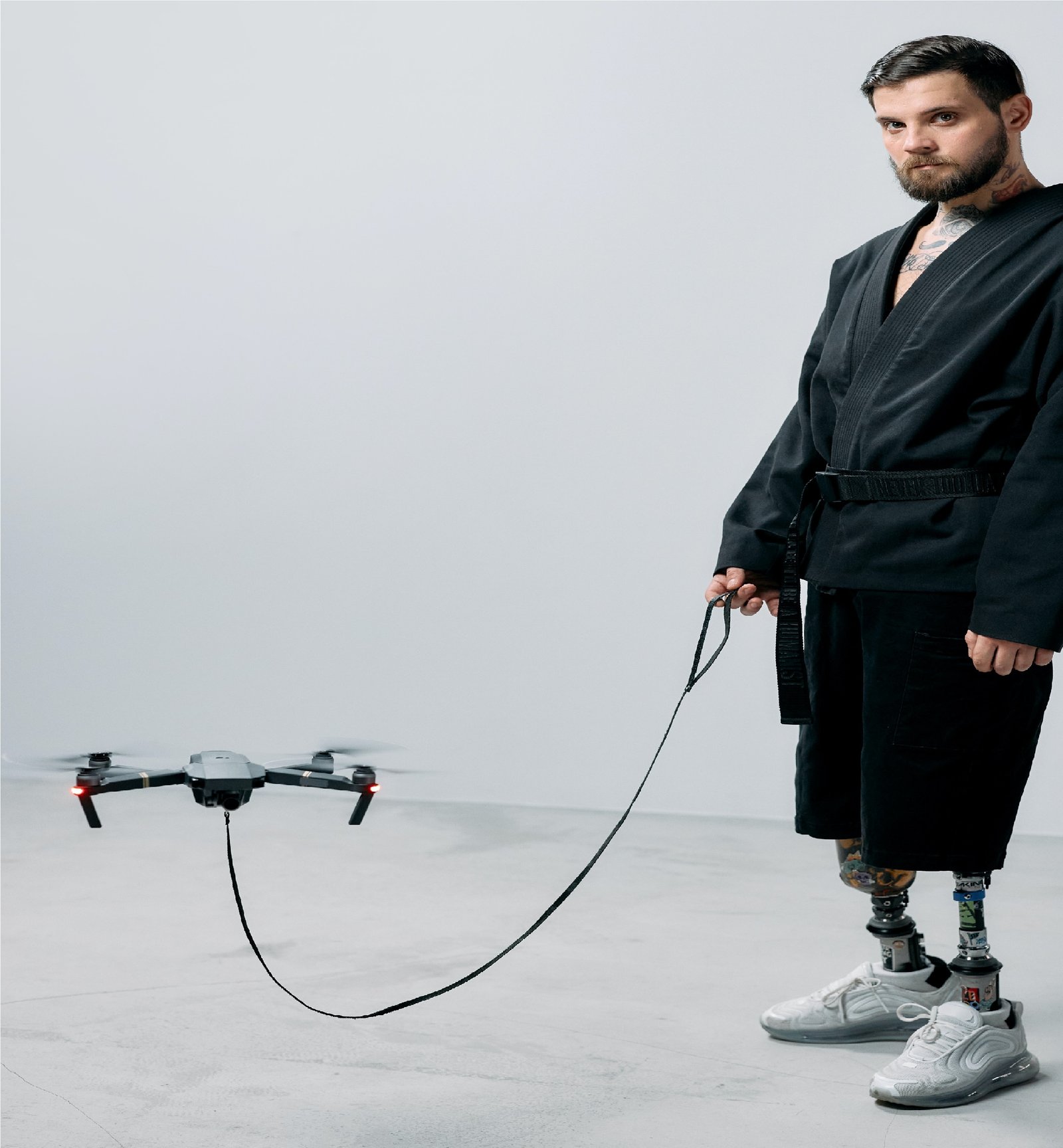
Introduction: In recent years, quadcopters and drones have become increasingly popular among aviation enthusiasts, hobbyists, and professionals alike. With their ability to capture stunning aerial footage, perform intricate maneuvers, and explore places otherwise inaccessible, these unmanned aerial vehicles (UAVs) have revolutionized the way we perceive and interact with the world around us. In this beginner's guide, we will delve into the fascinating world of quadcopters and DIY aircraft, providing you with essential information to get started on your own aerial adventure. 1. What are Quadcopters and Drones? Quadcopters, as the name suggests, are aircraft with four rotors. They are a type of drone, which refers to any unmanned aircraft that can be remotely controlled. The design of quadcopters offers exceptional stability, maneuverability, and versatility, making them the most popular type of drones used by hobbyists and professionals alike. 2. Choosing the Right DIY Aircraft: A wide range of quadcopters and DIY aircraft are available for enthusiasts to build and customize according to their specific needs and preferences. Factors to consider when choosing your DIY aircraft include: - Flight time: Determine the desired duration for your drone's flights, as this will dictate the battery capacity and overall weight. - Payload capacity: Consider whether your drone will carry a camera, sensors, or other equipment. - Skill level: Assess your technical background and determine whether you need a beginner-friendly DIY kit or are up for a more advanced project. 3. Essential Components and Build Process: To build your own quadcopters or drones, you will need several essential components, including: - Frame: Select a sturdy and lightweight frame that can accommodate your desired payload. - Motors and ESCs: These are responsible for the propulsion and control of the aircraft. - Flight controller: This acts as the brain of the drone, processing inputs and allowing for stable flight and autonomous features. - Radio transmitter and receiver: These provide the remote control functionality. - Batteries and charger: Choose high-quality LiPo (Lithium Polymer) batteries to power your drone. The build process involves carefully assembling the components, ensuring proper wiring and connections, and calibrating the flight controller for optimal performance and stability. Online resources, tutorials, and forums can be invaluable in guiding you through the building process. 4. Safety and Regulations: Operating a DIY aircraft comes with certain responsibilities. It is crucial to familiarize yourself with the local regulations and safety guidelines pertaining to drone flights in your area. Always ensure you fly your quadcopter in a safe and legal manner, respecting privacy, people, and property. 5. Learning to Fly and Expanding Your Skills: Once your DIY aircraft is built, it's time to take it to the skies! However, acquiring piloting skills takes time and practice. Start with basic maneuvers and gradually progress to more advanced techniques. Consider joining local drone clubs or communities to connect with experienced enthusiasts who can offer guidance and support. Conclusion: Building and flying your own quadcopters and DIY aircraft can be an incredibly rewarding experience. Whether you have a passion for aerial photography, videography, or simply want to explore the world from a different perspective, these unmanned aircraft offer endless possibilities. Remember to approach this hobby with a safety-first mindset and continually expand your skills. So, why not take the plunge and join the exciting world of quadcopters and DIY aircraft today? The sky's the limit! For a different perspective, see: http://www.jetiify.com Dropy by for a visit at http://www.s6s.org


