Useful links
Home Drone Photography and Videography Drone Regulations DIY Drone Building Drone Maintenance
Home Drone Photography and Videography Drone Regulations DIY Drone Building Drone Maintenance
Category : | Sub Category : Posted on 2023-10-30 21:24:53
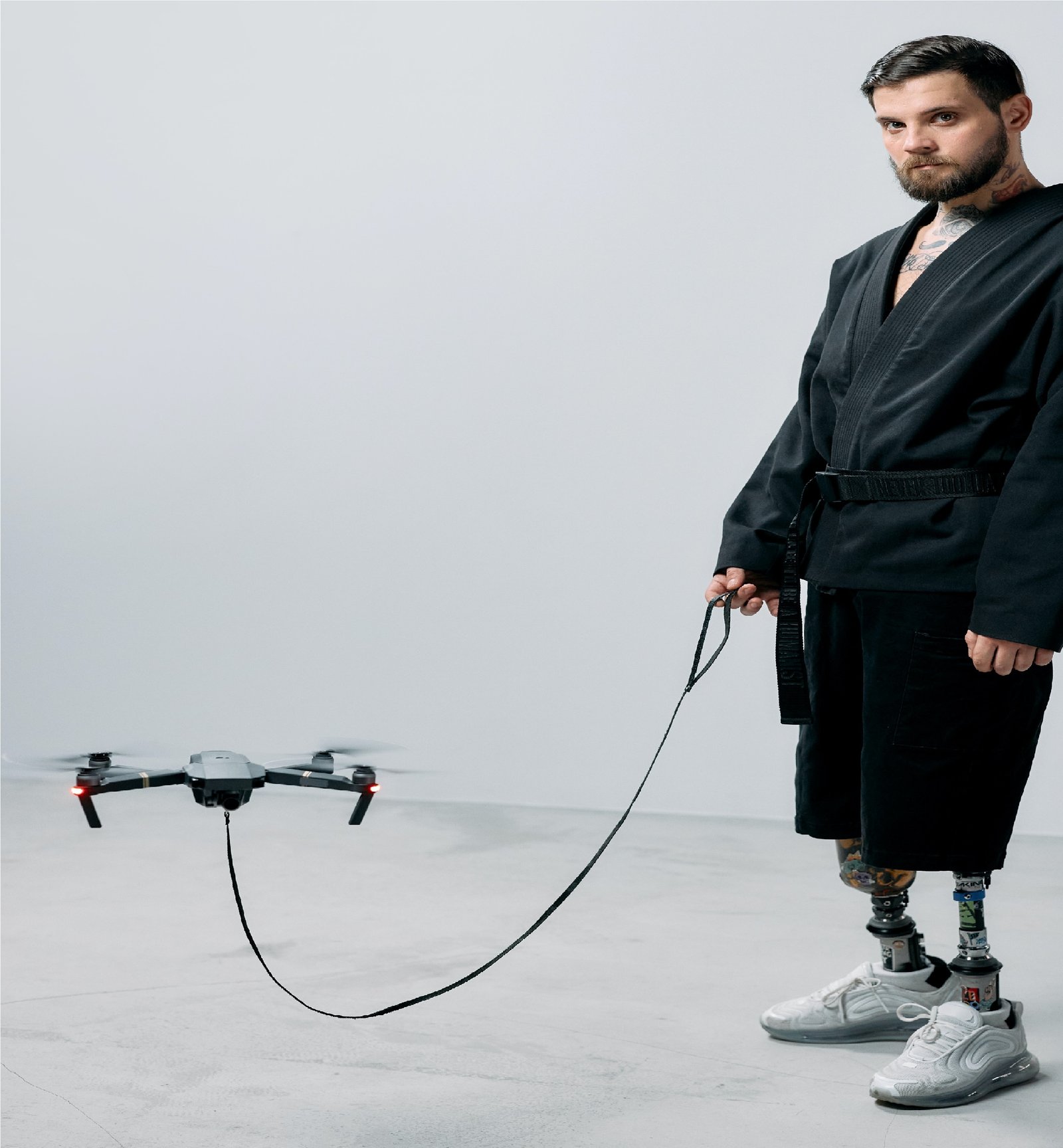
Introduction: Drone technology has rapidly evolved over the years, transforming from military applications to becoming a mainstream hobbyist and commercial phenomenon. One of the most exciting aspects of this revolution is the rise of DIY drone technology. Programming enthusiasts now have the opportunity to not only build their own drones but also tailor their functionality by coding them. In this blog post, we will explore the captivating world of DIY drone technology and provide some insights into the programming aspects behind it. 1. Building Your DIY Drone: Before diving into programming, it is essential to understand the building process of a DIY drone. Purchasing drone kits or sourcing individual components allows you to customize your drone based on your specific requirements. Some key components to consider when building a DIY drone include the frame, motors, propellers, flight controller, and battery. These components can often be selected based on your desired functionality, such as aerial photography or racing capabilities. 2. Understanding Drone Flight Controllers: A flight controller acts as the brain of the drone, interpreting and executing commands to control its movement. Most popular DIY drones use open-source flight controller boards like Arduino or Raspberry Pi, which allow for flexibility in programming and customization. Understanding the basics of flight controller boards is essential as they will play a crucial role in coding your DIY drone. 3. Programming Languages for DIY Drones: Now comes the exciting part - coding your DIY drone! There are several programming languages commonly used for programming drones, each with its advantages. Some popular languages include: a) Arduino: Arduino is a widely chosen platform for beginners. It offers a simplified programming environment, making it easier to get started. With its extensive community and vast libraries, Arduino provides excellent support for developing various drone functionalities. b) Python: Python is a versatile programming language commonly used for drone programming due to its readability and ease of use. It has numerous libraries and frameworks that make it easier to control and communicate with drone hardware. Python is an excellent choice for complex drone projects that require advanced functionalities. c) C/C++: For advanced programmers seeking optimized performance, C/C++ programming languages are preferred. These languages enable faster data processing and lower-level control over hardware components. C/C++ allows for precise control and implementation of algorithms necessary for complex drone behaviors. 4. Programming Drone Functionalities: The possibilities with drone programming are vast. Some common functionalities you can implement in your DIY drone include: a) Autonomous Flight: By leveraging sensors and GPS modules, you can program your drone to fly autonomously, following predefined routes or performing intricate maneuvers based on environmental conditions. b) Image and Video Processing: If you are interested in aerial photography or videography, programming your drone to capture stunning images or record high-quality videos is a must. Image stabilization, object tracking, and obstacle avoidance are some exciting programming challenges in this domain. c) Sensor Integration: Incorporating additional sensors such as infrared sensors, ultrasonic sensors, or accelerometers can provide your DIY drone with more functionality. These sensors can be used for height calculations, obstacle detection, and environmental monitoring. 5. Resources and Learning Platforms: The DIY drone community is vast, with enthusiasts constantly sharing their knowledge and experiences. Here are some resources and learning platforms where you can delve deeper into drone programming: a) Online Forums: Platforms like DIY Drones and Reddit communities offer an excellent space for sharing ideas, asking questions, and seeking guidance from experienced drone programmers. b) Online Tutorials and Courses: Websites such as Udemy and Coursera offer a variety of courses dedicated to drone programming. These can range from beginner-friendly introductions to more advanced topics for experienced programmers. c) Open-Source Projects: Exploring open-source drone projects on platforms like GitHub allows you to learn from existing codebases and contribute to the drone programming community. Conclusion: DIY drone technology has opened a world of opportunities for programming enthusiasts. Building and programming your own drone provides a unique and fulfilling experience beyond just flying it. By understanding the basics of building, flight controllers, and programming languages, you can unleash your creativity and develop exciting functionalities for your DIY drone. Embrace the challenge and embark on this captivating journey into the realm of DIY drone programming! Seeking more information? The following has you covered. http://www.lifeafterflex.com To gain a holistic understanding, refer to http://www.rubybin.com For more information: http://www.droope.org For more information: http://www.s6s.org If you are enthusiast, check the following link http://www.grauhirn.org


