Useful links
Home Drone Photography and Videography Drone Regulations DIY Drone Building Drone Maintenance
Home Drone Photography and Videography Drone Regulations DIY Drone Building Drone Maintenance
Category : | Sub Category : Posted on 2023-10-30 21:24:53
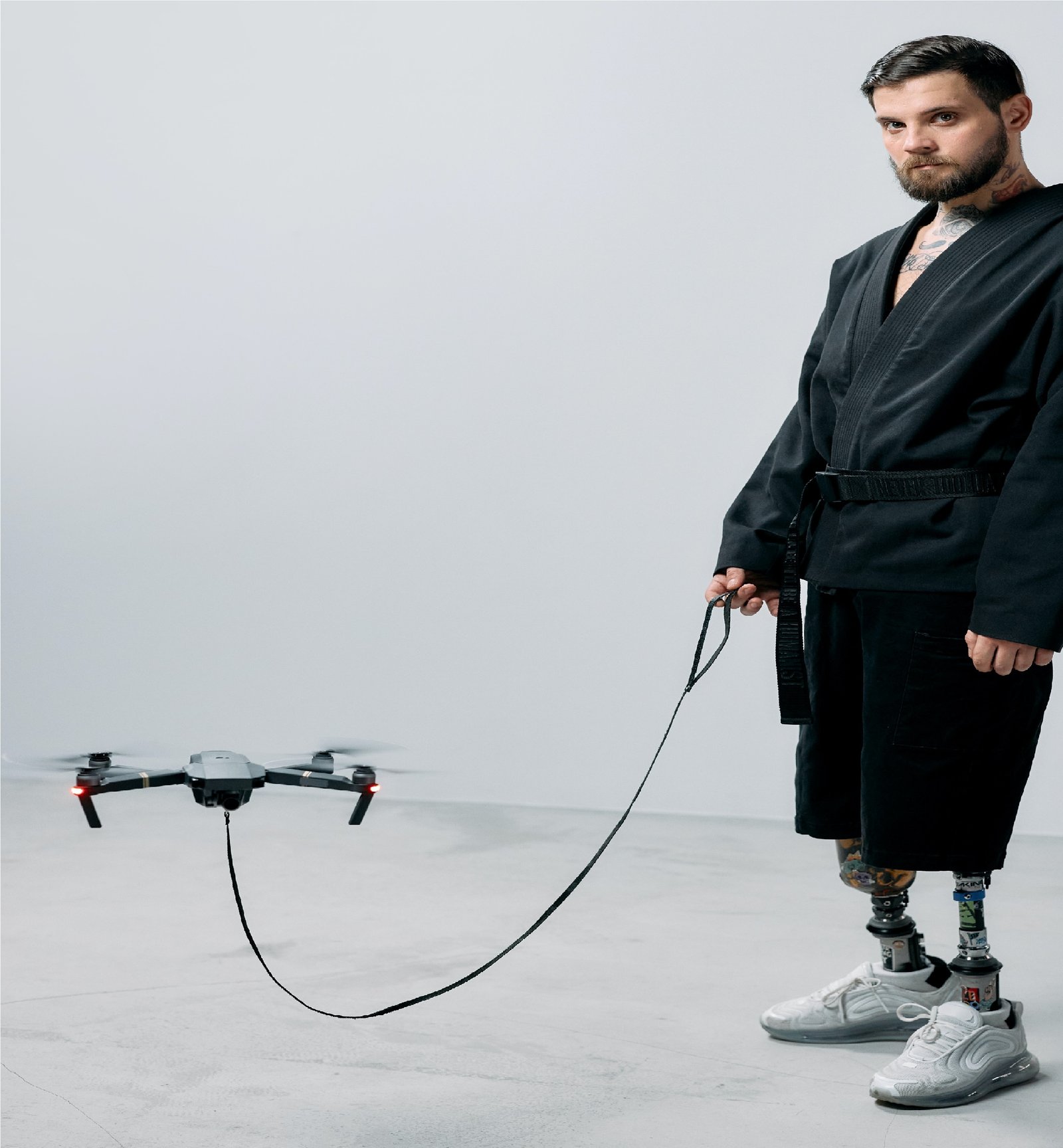
Introduction: In recent years, the rise of do-it-yourself (DIY) drone technology has revolutionized the way we interact with the skies. From aerial photography to package delivery, the capabilities of these unmanned aircraft have captivated hobbyists and professionals alike. However, behind the excitement lies a fascinating world of technical terms and concepts that make up the ontology of DIY drone technology. In this article, we will delve into the key elements that every drone enthusiast should grasp to understand this incredible innovation. 1. Drone Components and Structure: Before diving into the specifics of drone technology, it is essential to understand its basic components and structure. A typical DIY drone consists of the following key elements: a) Frame: The frame provides structural integrity and serves as the foundation for attaching various components. b) Motors and Propellers: Motors power the drone and generate the necessary thrust, while propellers help in aircraft stabilization and maneuverability. c) Flight Controller: It acts as the "brain" of the drone, processing data from various sensors, and providing stability and control during flight. d) Battery: The power source that supplies energy to the motors and other electronic equipment onboard the drone. e) Sensors: Drones rely on various sensors such as accelerometers, gyroscopes, and GPS to gather data about their position, altitude, and orientation. 2. Communication and Control: Drone control and communication play a critical role in ensuring safe and efficient flight operations. Understanding the key concepts related to this aspect is crucial for DIY enthusiasts. Here are a few important terms and technologies to be aware of: a) Remote Control: The handheld transmitter used by the pilot to control the drone's movement. b) Radio Frequency (RF) and Transmitters: Drones rely on RF signals to communicate between the remote control and the onboard flight controller. c) Telemetry: Telemetry refers to the real-time transmission of data, such as battery status, altitude, and flight performance, from the drone to the ground station. d) Radio Control (RC) Modes: Different control modes determine how the drone responds to the pilot's inputs, such as manual control, autonomous mode, or stabilization assistance. 3. Navigation and Positioning: To ensure accurate and reliable flight navigation, DIY drones employ various technologies and techniques. Here are a few key concepts you should be familiar with: a) Global Positioning System (GPS): GPS provides precise positioning data to the drone, enabling autonomous flight, waypoint navigation, and return-to-home functionality. b) Inertial Measurement Unit (IMU): IMU combines data from accelerometers and gyroscopes to determine the drone's attitude, orientation, and changes in velocity. c) Altitude Hold: This feature uses barometric pressure sensors to maintain a consistent altitude during flight. d) Waypoint Navigation: With the help of GPS and pre-programmed coordinates, DIY drones can autonomously follow a specific route or reach predetermined destinations. Conclusion: The ontology of DIY drone technology may seem complex at first glance, but understanding the fundamental concepts is key to successfully building, operating, and exploring the world of unmanned aerial vehicles. From the basic components and structure to communication and control, as well as navigation and positioning techniques, every aspect contributes to the fascinating capabilities of DIY drones. So, whether you're a hobbyist or a professional, exploring the ontology behind DIY drone technology will undoubtedly enhance your experience and open up endless possibilities in this exciting field. visit: http://www.coreontology.com To learn more, take a look at: http://www.s6s.org


