Useful links
Home Drone Photography and Videography Drone Regulations DIY Drone Building Drone Maintenance
Home Drone Photography and Videography Drone Regulations DIY Drone Building Drone Maintenance
Category : | Sub Category : Posted on 2023-10-30 21:24:53
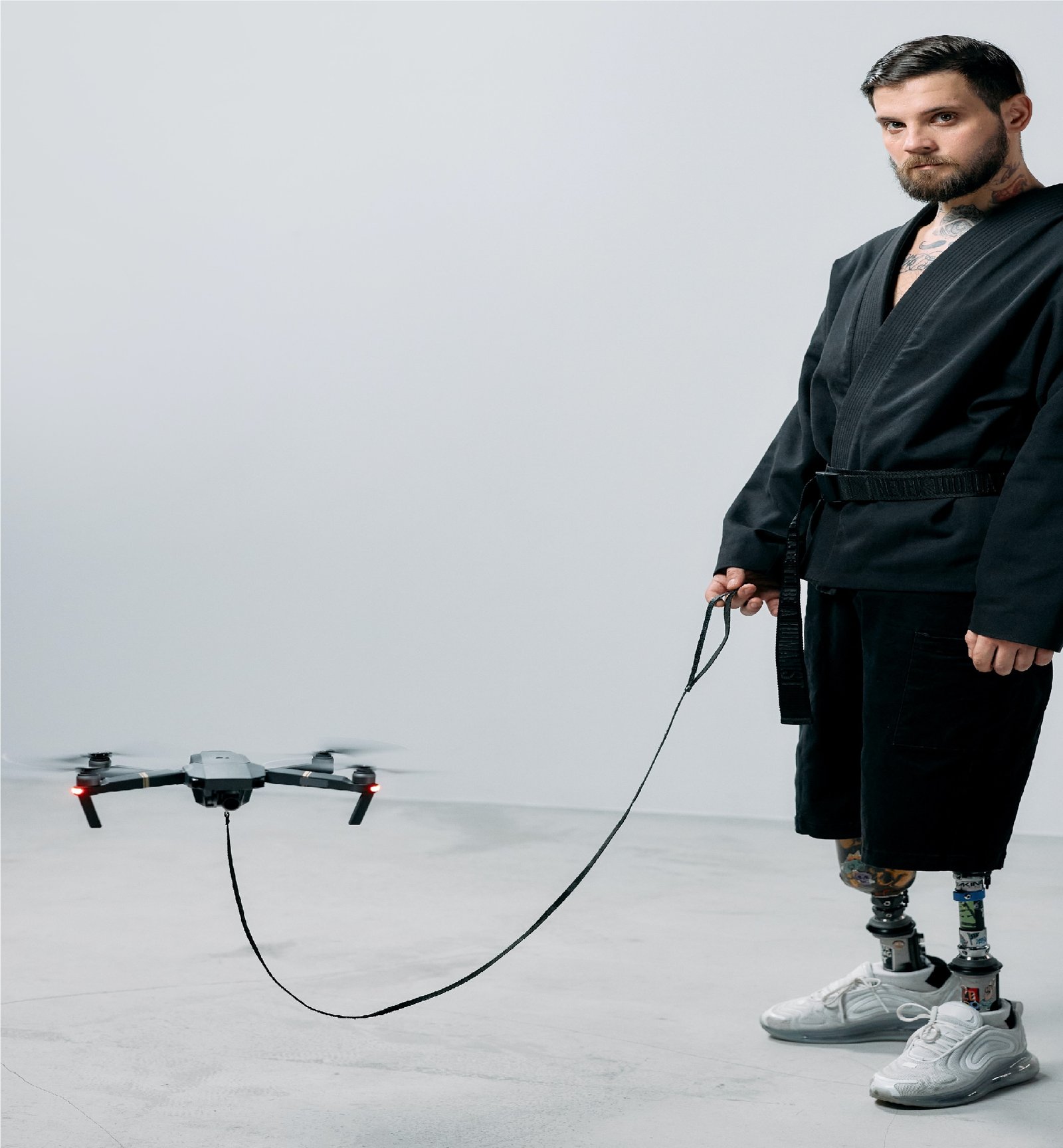
Introduction: Drones have become increasingly popular over the years for various applications, both recreational and professional. One key feature that enhances the functionality and capabilities of a drone is the integration of a GPS navigation system. In this blog post, we will provide a step-by-step guide for building your own drone with a GPS navigation system, enabling you to explore the sky with precision and control. 1. Understanding the Basics of DIY Drone Building: Before diving into the specifics of integrating a GPS navigation system, it's important to have a solid foundation in DIY drone building. This includes understanding the essential components such as the frame, motors, flight controller, and propellers. Familiarize yourself with these components and their respective functions to begin your drone-building journey. 2. Selecting a GPS Module: When it comes to integrating GPS functionality into your drone, the first step is to choose the appropriate GPS module. Look for a module that is compatible with your flight controller and offers reliable performance and accuracy. Popular GPS modules include the Ublox NEO-6M and the Holybro Micro M8N. 3. Wiring the GPS Module: Once you have selected the GPS module, it's time to wire it to your flight controller. Refer to the documentation provided with your specific components to identify the necessary pins and connections. Typically, the GPS module will have a UART interface that needs to be connected to the corresponding UART port on your flight controller. 4. Configuring the Flight Controller: After successfully wiring the GPS module, you'll need to configure your flight controller to recognize and utilize the GPS data. This involves using the appropriate configuration software, such as Betaflight or Cleanflight, to enable GPS functionality and set up parameters like return-to-home, waypoint navigation, and altitude hold. 5. Testing the GPS Functionality: Before taking your drone out for a full-fledged flight, it's crucial to test the GPS functionality. Power up your drone and ensure that it obtains a GPS lock by checking the status indicator on your flight controller or using the configuration software. Perform basic tests such as checking accurate position reporting and responsiveness to waypoint commands. 6. Enhancing GPS Navigation with Additional Features: To further enhance your drone's GPS navigation capabilities, consider integrating additional features like a compass module for improved orientation and stability, or a barometer for altitude control. These additional modules can provide more precise data, allowing your drone to perform various advanced functionalities like waypoint navigation and geofencing. Conclusion: Building a drone with a GPS navigation system is a rewarding DIY project that opens up a plethora of possibilities for aerial exploration. By following this step-by-step guide, you'll be well on your way to creating a customized drone that boasts accurate positioning, waypoint navigation, and many other features offered by GPS integration. So, gather your tools, immerse yourself in the world of drone building, and let your creativity take flight! Don't miss more information at http://www.s6s.org


