Useful links
Home Drone Photography and Videography Drone Regulations DIY Drone Building Drone Maintenance
Home Drone Photography and Videography Drone Regulations DIY Drone Building Drone Maintenance
Category : | Sub Category : Posted on 2023-10-30 21:24:53
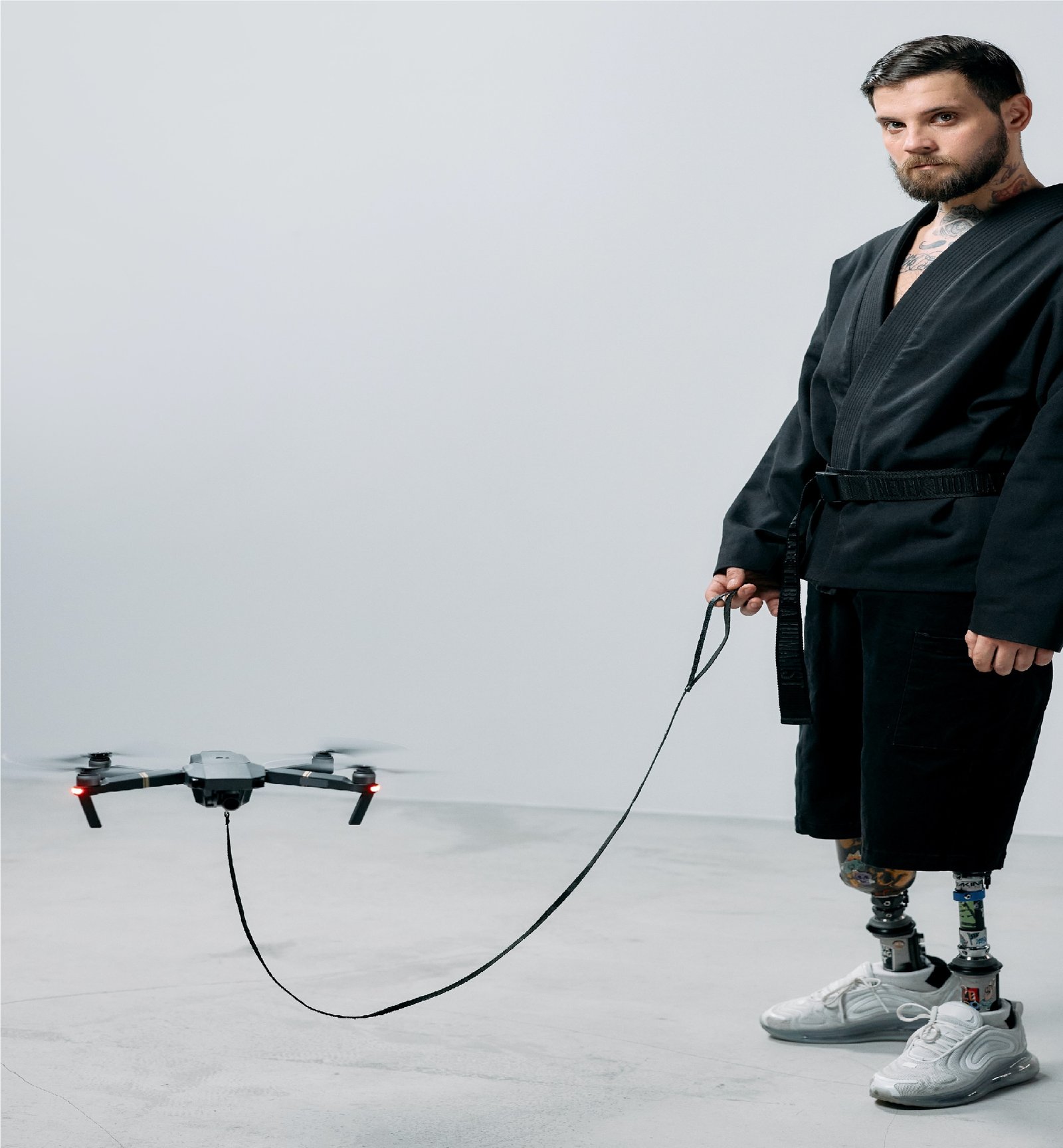
Introduction: Drones have become increasingly popular among hobbyists and enthusiasts, enabling us to capture breathtaking aerial footage and explore new perspectives. However, if you're planning on flying a drone in your backyard or using it for DIY projects around your home, it's essential to understand the regulations that govern these unmanned aircraft. In this blog post, we'll explore the key aspects of DIY home drone regulations and provide you with the necessary information to fly your drone responsibly and legally. 1. Registering Your Drone: Before you fly your drone at home or anywhere else, it's crucial to check if it falls within the weight and usage requirements that necessitate registration with the Federal Aviation Administration (FAA). As of May 17, 2019, all drones weighing between 0.55 pounds (250 grams) and 55 pounds (25 kg) must be registered with the FAA. Failure to comply with this regulation can result in hefty fines, so make sure to follow the necessary steps to register your drone before taking it to the skies. 2. Operating Guidelines: When it comes to operating a drone, whether for DIY projects or recreational purposes, you must adhere to certain guidelines to ensure safety and respect the privacy of others. The FAA has outlined some essential operating rules that every drone pilot should know: a. Fly below 400 feet: To avoid potential conflicts with manned aircraft, it's important to keep your drone's altitude below 400 feet unless authorized otherwise. b. Stay away from airports and other no-fly zones: Drones should not be flown near airports or in restricted airspace. Familiarize yourself with the FAA's interactive maps and mobile applications to ensure you're not violating any airspace restrictions in your area. c. Maintain visual line-of-sight: Always keep your drone within your visual range while operating it. This allows you to avoid collisions with other objects and ensures that you maintain control of the aircraft at all times. d. Respect the privacy of others: Be mindful of your surroundings and avoid flying your drone over other people, their properties, or sensitive areas such as government facilities or private spaces where privacy could be compromised. 3. FAA Part 107 Certification: If you plan on using your drone for commercial purposes or if you are involved in any activity that involves financial gain, you will likely need to obtain a remote pilot certificate under FAA Part 107. This certification demonstrates your knowledge of the regulations and ensures that you can operate your drone safely and responsibly. Keep in mind that DIY projects related to photography, videography, real estate, or any other commercial endeavor may fall under this category. 4. Local and State Regulations: In addition to federal regulations, it's crucial to be aware of any local or state regulations that may apply to your drone activities. Some states have implemented their own rules for drone usage, so be sure to research and understand any additional requirements that may exist in your area. These regulations may include restrictions on flying in certain locations, registering your drone with local authorities, or adhering to specific operating guidelines. Conclusion: As drones continue to gain popularity, it's essential for DIY enthusiasts to familiarize themselves with the regulations governing their usage. Whether you're flying a drone in your backyard for fun or incorporating it into your home improvement projects, understanding and complying with the regulations is crucial for the safety of all those involved. By taking the time to register your drone, follow operating guidelines, and obtain necessary certifications, you can enjoy the benefits of drone technology while being respectful of the law and those around you. Uncover valuable insights in http://www.svop.org Want a more profound insight? Consult http://www.mimidate.com


