Useful links
Home Drone Photography and Videography Drone Regulations DIY Drone Building Drone Maintenance
Home Drone Photography and Videography Drone Regulations DIY Drone Building Drone Maintenance
Category : | Sub Category : Posted on 2023-10-30 21:24:53
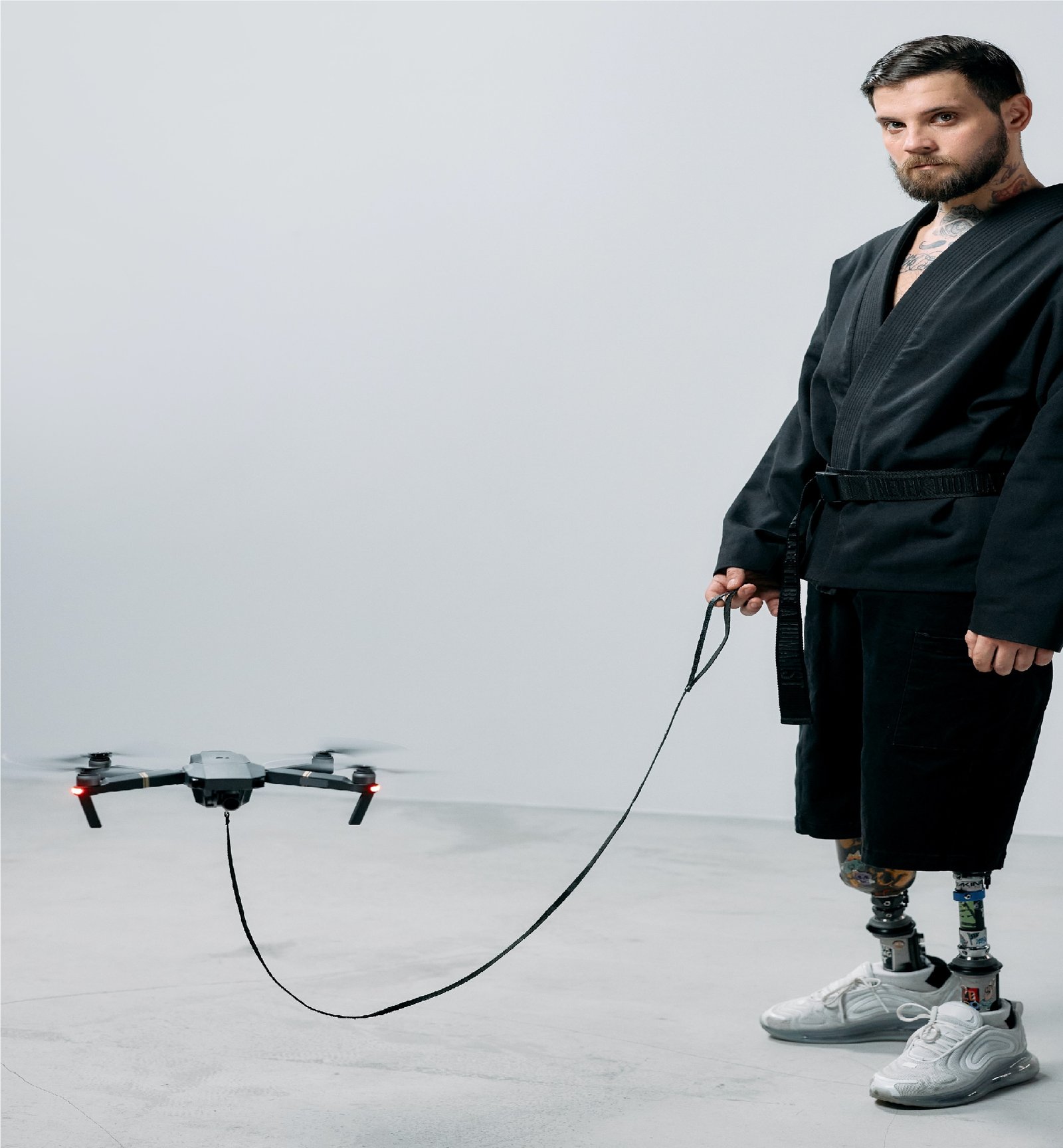
Introduction: In recent years, the popularity of drones has skyrocketed, captivating the imaginations of DIY enthusiasts who seek to build their own flying machines. However, as with any emerging technology, there are rules and regulations that govern their usage. In this blog post, we will delve into the world of DIY drones and discuss the critical drone regulations that every aspiring drone pilot needs to know. Understanding the Drone Regulations: 1. Registration Requirements: One of the first steps you'll need to take before operating a DIY drone is to register it with the relevant aviation authority in your country. In the United States, for example, the Federal Aviation Administration (FAA) requires drones weighing 0.55 pounds or more to be registered. Failure to comply with registration requirements can result in fines and legal consequences. 2. Fly within Visual Line of Sight (VLOS): To ensure safety, most countries require drone operators to maintain visual contact with their drones throughout the flight. This means you should always be able to see your drone with your naked eye. Flying beyond visual line of sight (BVLOS) generally requires special authorization or certification. 3. Respect No-Fly Zones: Drone pilots must adhere to designated no-fly zones, which include areas such as airports, military bases, and national parks. It is essential to check the local regulations and use resources like mobile apps or websites that provide up-to-date information on restricted zones. 4. Avoid Flying over People and Private Property: Flying your DIY drone over crowds or private property can be dangerous and may invade people's privacy. It is imperative to prioritize safety and respect the privacy of others. If you intend to capture footage in public areas or near buildings, always obtain appropriate permissions. 5. Height and Distance Restrictions: Drone regulations often impose altitude and distance limitations on drone flights. These restrictions are in place to ensure the safety of other aircraft and infrastructure. Familiarize yourself with the local regulations and avoid breaching these limitations. 6. Be Aware of Privacy and Data Protection Laws: When operating a DIY drone equipped with cameras or recording capabilities, it's crucial to respect privacy laws. Avoid capturing or sharing sensitive information without proper consent. Additionally, be mindful of data protection laws and take appropriate measures to secure any data captured during your drone flights. 7. Secure Third-Party Liability Insurance: Accidents happen even to the most cautious pilots, and a DIY drone is no exception. Protect yourself and your financial well-being by obtaining third-party liability insurance specifically designed for drone operations. This insurance coverage can save you from potential financial liabilities resulting from property damage or personal injuries caused by your drone. Conclusion: As a DIY drone enthusiast, understanding and complying with drone regulations is essential for a safe and responsible flight experience. By registering your drone, adhering to flight restrictions, respecting no-fly zones, and prioritizing safety and privacy, you can enjoy the thrill of piloting your own creation while maintaining a harmonious relationship with the airspace and the community around you. So, continue to explore the world of DIY drones, but always remember to navigate it within the boundaries of the law. Happy flying! sources: http://www.s6s.org


