Useful links
Home Drone Photography and Videography Drone Regulations DIY Drone Building Drone Maintenance
Home Drone Photography and Videography Drone Regulations DIY Drone Building Drone Maintenance
Category : | Sub Category : Posted on 2023-10-30 21:24:53
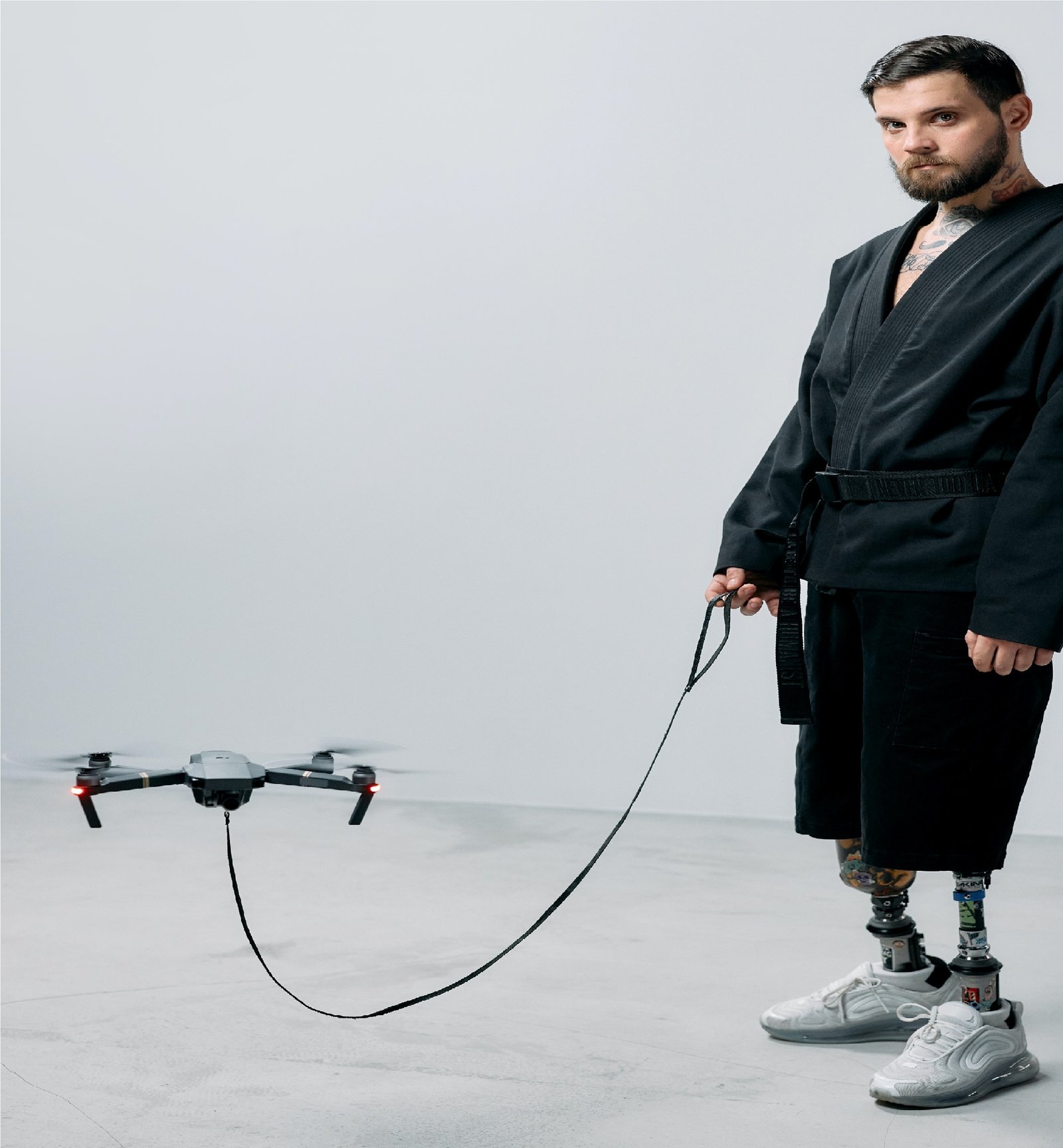
Introduction: Drones have revolutionized various industries, from aerial photography to package delivery. With advancements in technology, the popularity of autonomous robotics DIY drone projects has skyrocketed. In this blog post, we will delve into the fascinating world of DIY drone types and explore the possibilities of autonomous robotics. 1. Fixed-Wing Drones: Fixed-wing drones are designed to mimic traditional planes. They have a fixed wing design that enables them to glide through the air efficiently. These drones are capable of covering long distances and are commonly used in applications such as mapping, agriculture, and surveillance. With autonomous capabilities, fixed-wing drones can be programmed to follow pre-defined flight paths, gather data, and perform tasks without human intervention. 2. Quadcopters: Quadcopters are the most popular type of drone commonly seen in the hobbyist community. They have four propellers arranged in a square or cross configuration, which enables them to hover, fly in any direction, and perform agile maneuvers. DIY enthusiasts often prefer quadcopters due to their versatile design, ease of maintenance, and ability to carry various payloads. Autonomous quadcopters can navigate obstacle courses, follow objects, and even perform complex aerial acrobatics, all without manual control. 3. Hexacopters and Octocopters: Hexacopters and octocopters are similar to quadcopters but feature six and eight propellers, respectively. These types of drones offer increased stability and improved payload capacity. They are commonly used for professional applications such as cinematography, industrial inspections, and search and rescue operations. Autonomous hexacopters and octocopters excel in aerial surveying missions where accuracy and precision are paramount. 4. Rover Drones: While aerial drones dominate the DIY robotics scene, there are also ground-based alternatives known as rover drones. These autonomous robots are equipped with wheels or tracks, allowing them to traverse various terrains. Rover drones are commonly used in applications such as exploration, surveillance, and agriculture. With the ability to sense their surroundings and navigate autonomously, rover drones can adapt to challenging environments without human intervention. 5. Hybrid Drones: Hybrid drones combine the advantages of both fixed-wing and multi-rotor designs. They can take off and land like a multi-rotor drone while also achieving long-range flight capabilities like fixed-wing drones. Hybrid drones are ideal for applications that involve covering large areas, such as search and rescue operations or environmental monitoring. With autonomous features, these drones can significantly expand their operational capabilities. Conclusion: As technology continues to advance, the possibilities of autonomous robotics DIY drones are endless. From fixed-wing drones to rover drones, each type serves different purposes and offers unique advantages. Whether you are a hobbyist or a professional, building and experimenting with autonomous drones can provide you with an exciting and rewarding experience in the field of robotics. So, get ready to unleash your creativity, explore the world of DIY drone types, and embark on an extraordinary journey into autonomous robotics. Seeking expert advice? Find it in http://www.pxrobotics.com For more info http://www.s6s.org


