Useful links
Home Drone Photography and Videography Drone Regulations DIY Drone Building Drone Maintenance
Home Drone Photography and Videography Drone Regulations DIY Drone Building Drone Maintenance
Category : | Sub Category : Posted on 2023-10-30 21:24:53
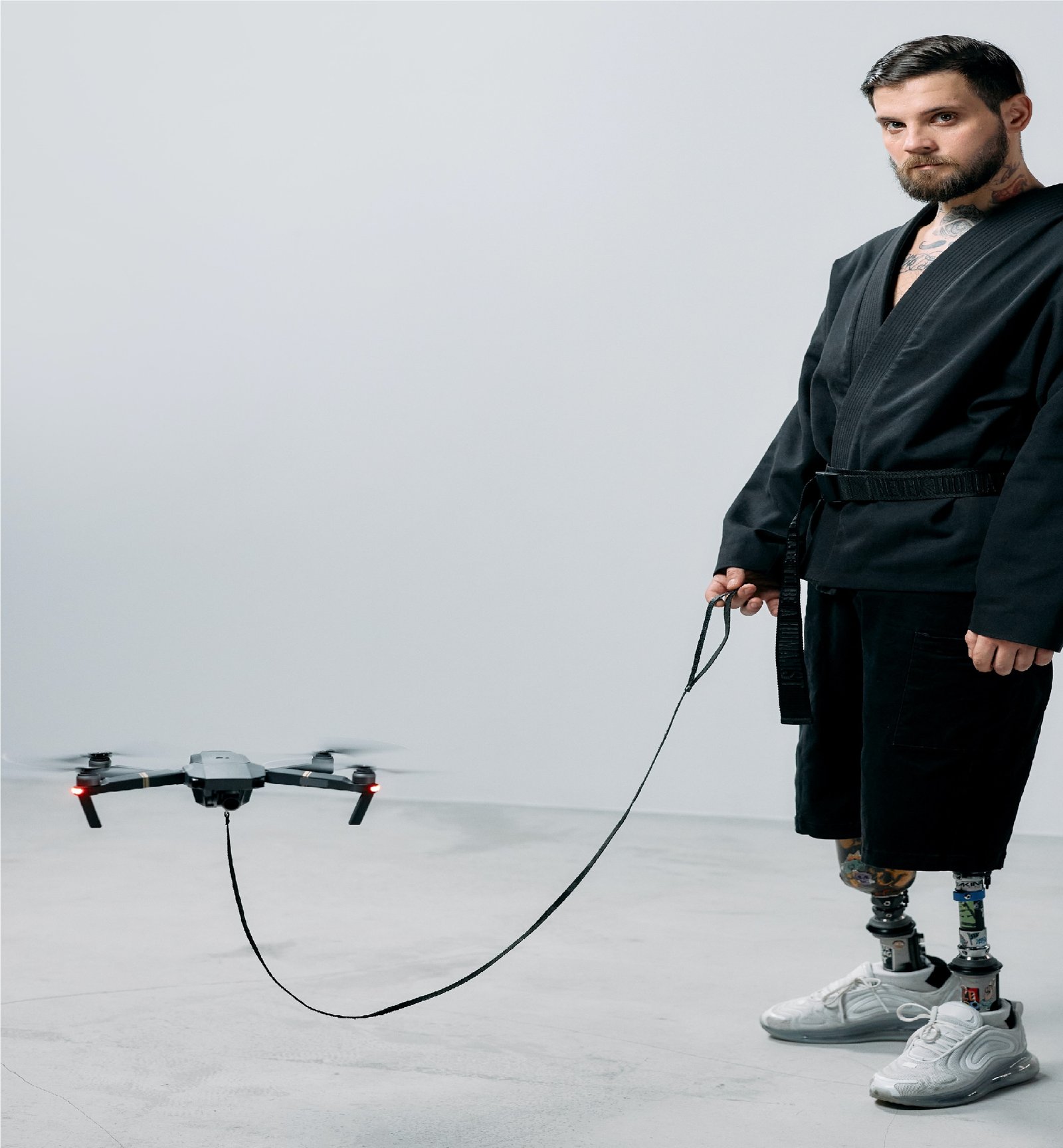
Introduction: Autonomous robotics has revolutionized various fields, including aerial photography, mapping, search and rescue, and even package delivery. Drones, in particular, have gained significant popularity due to their versatile nature and wide-ranging applications. Building your own autonomous drone allows you to customize the capabilities, design, and components to suit your specific needs. In this article, we will explore the essential DIY drone components required to create a high-performing autonomous drone. 1. Flight Controller: The flight controller is the brain of your drone, responsible for processing data from various sensors and controlling the motors to ensure stable and accurate flight. There are several open-source flight controller options available, such as Pixhawk, ArduPilot, and Betaflight, which offer advanced features like GPS navigation, waypoint control, and autonomous mission planning. 2. Motors and Propellers: Choosing the right motors and propellers is crucial for achieving the desired flight performance. Factors such as thrust-to-weight ratio, power efficiency, and maneuverability should be considered when selecting these components. Brushless DC (BLDC) motors and matched propellers are commonly used for their high efficiency and reliability. 3. Power Distribution System: A power distribution system ensures that the necessary power reaches each component of the drone, including the flight controller, motors, and additional payload equipment. It typically includes a power distribution board and voltage regulators to provide a stable power supply. 4. Electronic Speed Controllers (ESCs): ESCs control the speed and direction of each motor based on the signals received from the flight controller. Make sure to choose ESCs that are compatible with your motors and capable of handling the current requirements. Some ESCs even come with built-in features like telemetry and motor braking. 5. Frame: The drone frame should be lightweight, yet sturdy enough to withstand the rigors of flight. Carbon fiber or lightweight aluminum frames are popular choices due to their strength-to-weight ratio. Consider the frame's design and size to accommodate the required equipment and payload. 6. Sensors: To enable autonomous flight, an array of sensors is necessary. GPS modules provide accurate positioning data for navigation and waypoint control. Inertial Measurement Units (IMUs) consisting of accelerometers, gyros, and magnetometers help in maintaining stability and orientation. Additional sensors like proximity sensors and altimeters can enhance obstacle avoidance and altitude control capabilities. 7. Communication System: For autonomous operation, your drone needs reliable communication capabilities. This can be achieved through radio telemetry systems that allow bidirectional communication between the drone and the ground control station. Some advanced systems even support long-range communication options like 4G/LTE connectivity. Conclusion: Building your own autonomous drone can be a rewarding experience, allowing you to unleash your creativity and customize its capabilities to fit your needs. By carefully selecting the essential DIY drone components mentioned above, you can create a high-performing drone capable of autonomous flight, mapping, or any other specific application. As always, ensure you follow safety regulations and guidelines when operating your drone and be mindful of local laws and restrictions. Happy drone building! For a different take on this issue, see http://www.pxrobotics.com More about this subject in http://www.s6s.org


