Useful links
Home Drone Photography and Videography Drone Regulations DIY Drone Building Drone Maintenance
Home Drone Photography and Videography Drone Regulations DIY Drone Building Drone Maintenance
Category : | Sub Category : Posted on 2023-10-30 21:24:53
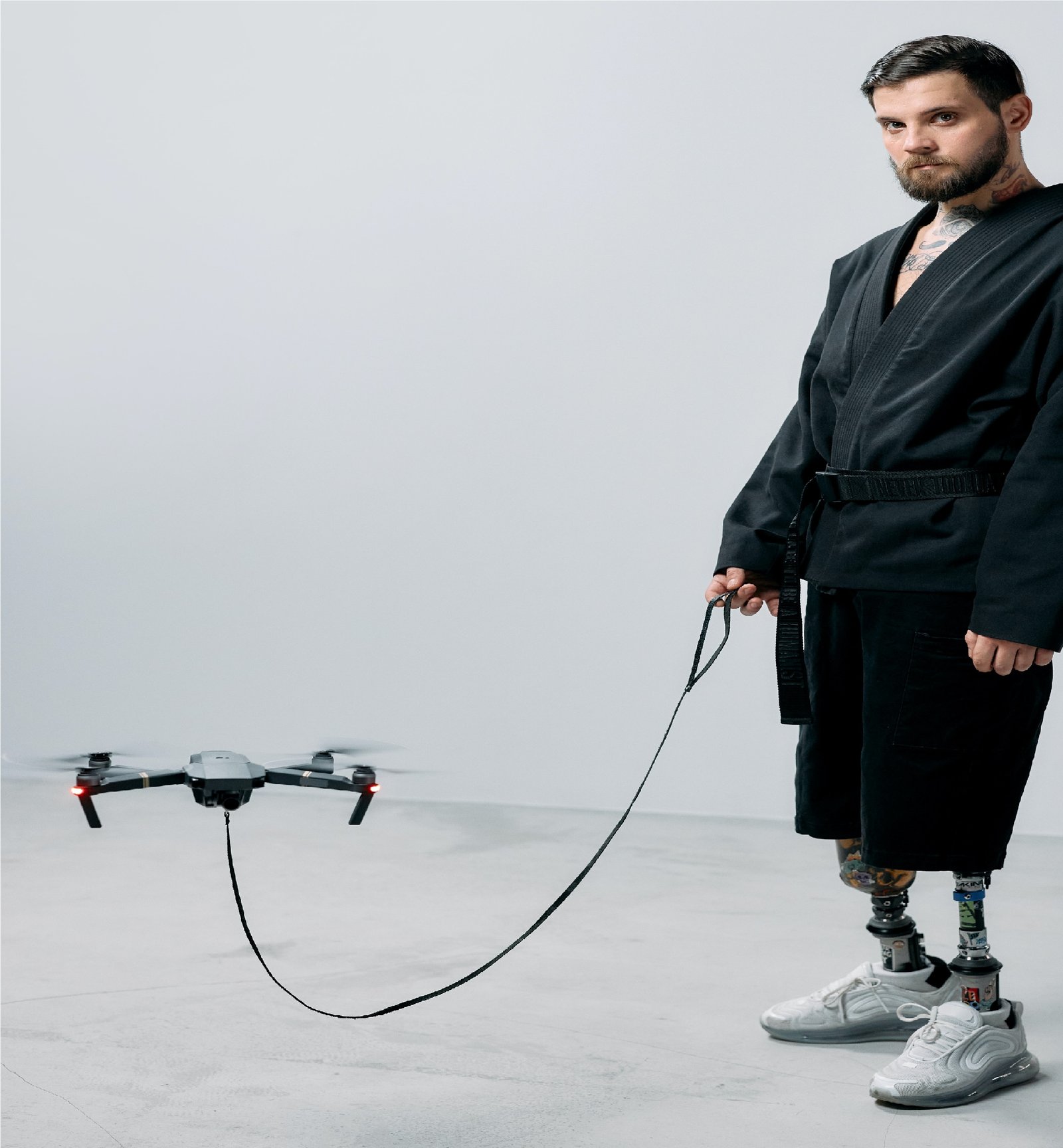
Introduction: Artificial intelligence (AI) has revolutionized many industries, and one area that has been greatly impacted is the use of drones. These unmanned aerial vehicles (UAVs) equipped with AI capabilities have the potential to revolutionize industries such as agriculture, package delivery, search and rescue, and more. However, with great power comes great responsibility, and it is crucial to establish effective regulations to ensure the safe and responsible use of AI-powered drones. In this blog post, we will explore the importance of AI drone regulations and discuss the potential challenges and benefits that come with their implementation. 1. Safety concerns: The primary concern surrounding AI-powered drones is safety. These machines can fly at high altitudes, carry heavy payloads, and navigate through complex environments using sophisticated algorithms. Without proper regulations, there is a risk of accidents that may result in property damage, injuries, or even loss of life. Implementing strict regulations that govern aspects such as flight paths, altitude limits, and maximum payload capacities can help mitigate these risks and ensure the safety of both the drones and the people they interact with. 2. Privacy and data protection: AI drones are equipped with advanced sensors and cameras that enable them to gather vast amounts of data. This raises concerns about privacy and data protection. Regulations should establish guidelines for data collection, storage, and usage to prevent any misuse or unauthorized access to personal information. Additionally, drones should be programmed to respect people's privacy by avoiding restricted areas and refraining from intrusive surveillance. Striking a balance between the benefits of AI drones and individual privacy rights is vital in developing effective regulations. 3. Ethical considerations: AI-powered drones have the potential to make autonomous decisions based on AI algorithms. This raises ethical questions about accountability and transparency. Regulations should outline the ethical framework for the development and use of AI drones, ensuring responsible decision-making algorithms, and establishing a clear chain of responsibility in case of any legal or moral implications. Ethical considerations should also be given to the potential impact of AI drones on job displacement and the need for reskilling or upskilling the workforce to adapt to this technology. 4. Innovation and economic growth: While regulations are necessary to ensure the safe and ethical use of AI drones, they should also foster innovation and promote economic growth. Striking the right balance between safeguards and flexibility can encourage businesses and entrepreneurs to invest in this emerging sector. Governments should collaborate with industry experts and stakeholders to design regulations that provide a framework for safe operations while allowing room for experimentation and technological advancements. Conclusion: As AI drone technology continues to evolve, it is essential to establish comprehensive regulations that balance the benefits of innovation with the need for safety, privacy, and ethical considerations. By implementing forward-thinking and adaptable regulations, policymakers can create an environment where the vast potential of AI-powered drones can be fully realized while ensuring public trust and protection. It is crucial to work collaboratively and engage various stakeholders to develop regulations that navigate the future of AI drone technology responsibly and sustainably. also don't miss more information at http://www.thunderact.com For more information: http://www.vfeat.com


