Useful links
Home Drone Photography and Videography Drone Regulations DIY Drone Building Drone Maintenance
Home Drone Photography and Videography Drone Regulations DIY Drone Building Drone Maintenance
Category : | Sub Category : Posted on 2023-10-30 21:24:53
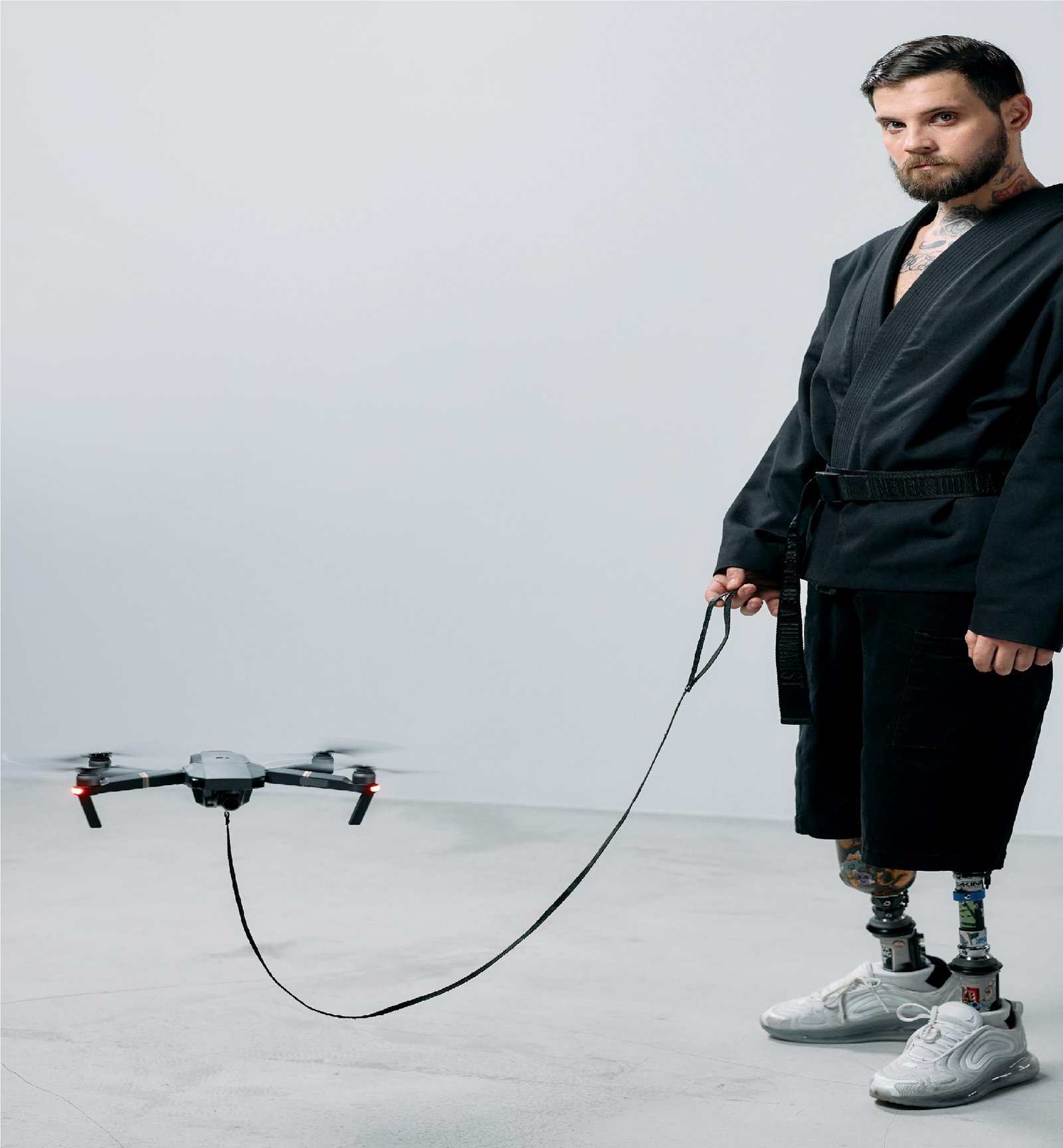
Introduction In recent years, there has been a significant increase in the use of drones, also known as Unmanned Aircraft Systems (UAS). Drones have become a popular tool for photography, videography, recreational activities, and even commercial purposes. However, as these flying machines continue to soar in popularity, it is crucial to understand the regulations that govern their operation to ensure the safety of both the drones themselves and manned aircrafts in the skies. The Need for Drone Regulations Drones are an exciting and innovative technology, but without proper guidelines and regulations, they can pose a significant risk to aircraft operations and public safety. The potential for collisions with manned aircrafts, interference with sensitive radio frequencies, and invasion of privacy are just a few of the concerns that authorities address through drone regulations. Understanding Drone Regulations Drone regulations vary across countries and regions, but most share common principles. Here are some key aspects commonly emphasized in drone regulations: 1. Registration and Certification: Many countries require drone operators to register their drones and obtain the necessary certifications or licenses. This step helps authorities keep track of drone ownership and ensures that operators are aware of the safety guidelines and operational limitations. 2. Operation Guidelines: Drone regulations often outline where and how drones can be flown. These guidelines typically include altitude restrictions, flight boundaries around airports, and prohibited areas such as government buildings, military installations, and crowded public spaces. 3. Visual Line of Sight (VLOS): Most countries require drone operators to keep their drones within their visual line of sight during operation. This regulation ensures that operators maintain control of their drones and can promptly react to any obstacles or hazards that may arise. 4. Restricted Airspace: Drone regulations strictly prohibit flying drones in restricted airspace, such as airport boundaries and other areas designated for manned aircraft operations. This restriction is in place to prevent accidents and potential disruptions to air traffic. 5. Endangering People and Property: Drone regulations emphasize the responsibility of drone operators to avoid endangering people, animals, and property. This includes maintaining a safe distance from pedestrians, vehicles, and buildings, and generally flying in a considerate manner that respects the privacy and safety of others. 6. Pilot Certification: In many countries, operators of certain types and sizes of drones are required to undergo pilot certification and training programs. These certifications demonstrate the operator's understanding of safety procedures, drone operation, and airspace regulations. The Future of Drone Regulations As drone technology continues to advance, regulators are working to address evolving challenges and potential risks. Authorities are exploring various strategies, including drone identification systems, geofencing technology, and the integration of drones into the existing air traffic management systems. Conclusion Drones hold tremendous potential for various industries, but their safe and responsible operation is of utmost importance. By adhering to drone regulations, operators can help create a harmonious and secure airspace environment for both drones and manned aircrafts. As technology and regulations continue to evolve, it's essential for drone enthusiasts and professionals to stay informed and comply with the existing guidelines. By doing so, we can all enjoy the benefits of drones while ensuring the safety of our skies. Dive into the details to understand this topic thoroughly. http://www.jetiify.com For comprehensive coverage, check out http://www.s6s.org


