Useful links
Home Drone Photography and Videography Drone Regulations DIY Drone Building Drone Maintenance
Home Drone Photography and Videography Drone Regulations DIY Drone Building Drone Maintenance
Category : | Sub Category : Posted on 2023-10-30 21:24:53
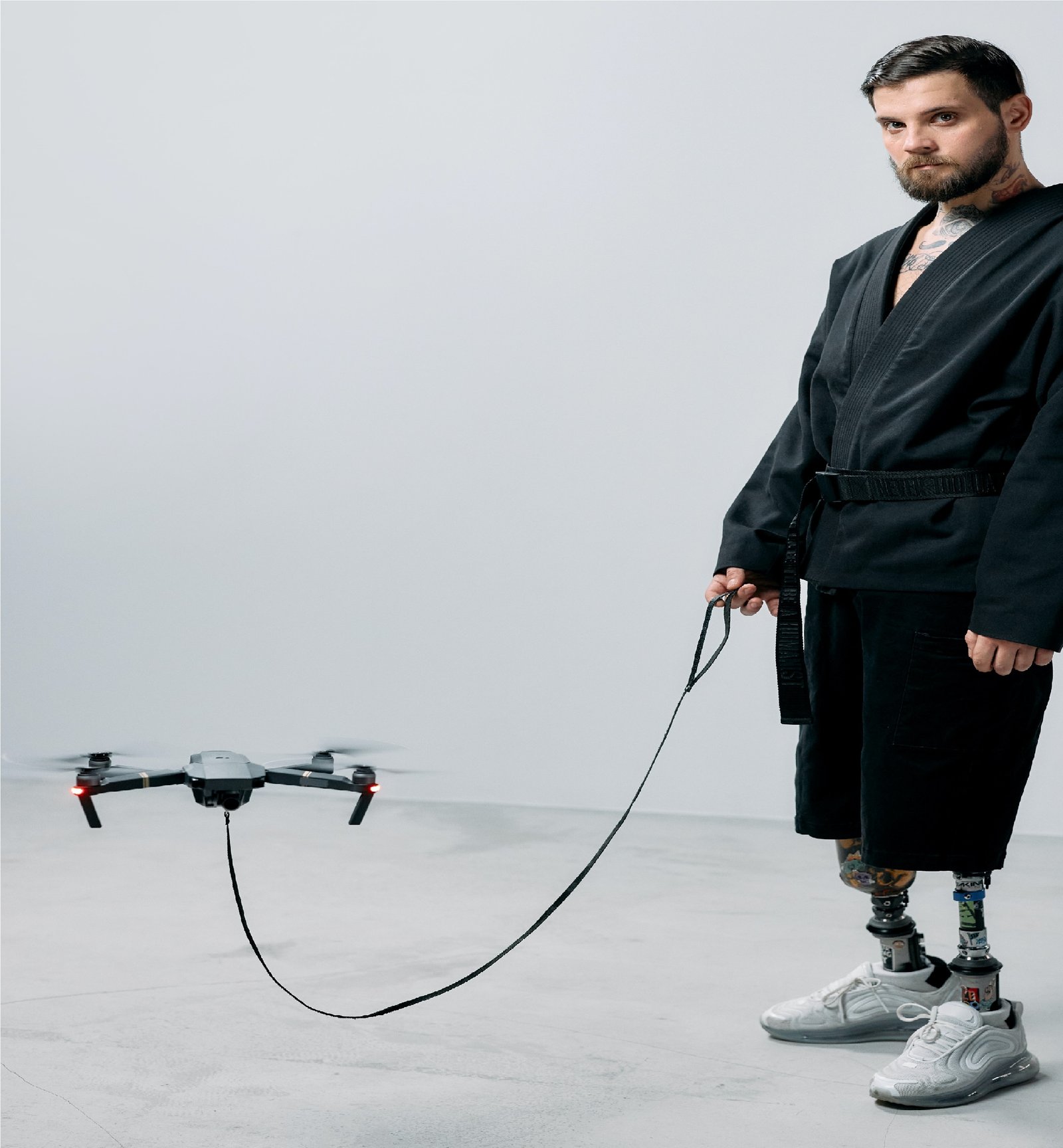
Introduction: With the increasing popularity of drones, many hobbyists and enthusiasts are turning to DIY drone projects to build their own aircraft. Building a drone from scratch can be an exciting and rewarding experience, allowing you to customize your aircraft and gain a deeper understanding of its components. In this blog post, we will explore the essential components needed to build your own DIY drone and provide some valuable insights for aircraft enthusiasts. 1. Frame: The frame is the foundation of any drone and provides the structure that holds all the other components together. When choosing a frame, consider factors such as durability, weight, and flexibility. There are various materials to choose from, such as carbon fiber or lightweight metals, each offering different advantages. Make sure to select a frame that suits your intended use, whether it's for aerial photography, racing, or aerial acrobatics. 2. Flight Controller: The flight controller is the brain of the drone, responsible for stabilizing and controlling its movements. It receives data from sensors, such as accelerometers, gyroscopes, and GPS, and processes it to maintain stability and execute flight commands. There are many open-source flight controller options available, such as the popular Arduino or Raspberry Pi, which allows for customization and tinkering. 3. Motors and Propellers: Motors provide the necessary thrust for the drone to fly. When choosing motors, you need to consider the weight and size of your drone, as well as the desired flight characteristics. Motors are typically paired with propellers, which generate lift by pushing air downwards. It's crucial to select the correct propellers that match your motor's power and the desired flight style, whether it's for speed or endurance. 4. Electronic Speed Controller (ESC): The ESC is responsible for controlling the speed of each motor. It takes commands from the flight controller and adjusts the electrical signals sent to the motors, regulating their speed and ensuring smooth flight. Ensure that the ESCs you choose are compatible with both your flight controller and motors to avoid any compatibility issues. 5. Battery and Power Distribution: A reliable power source is essential for keeping your drone aloft. Lithium Polymer (LiPo) batteries are commonly used in drones due to their high power output and lightweight design. Choose a battery with the appropriate voltage and capacity to meet your aircraft's power demands. Additionally, a power distribution board is necessary to distribute power from the battery to all the components while providing voltage regulation and protection against voltage spikes. 6. Radio Transmitter and Receiver: To control your DIY drone, you'll need a radio transmitter and receiver. The transmitter is held by the pilot and sends commands to the aircraft through radio waves. The receiver is connected to the flight controller and translates the pilot's commands into actions on the drone. Make sure to select a transmitter and receiver with enough channels to control all desired functions of your drone. Conclusion: Building your own DIY drone can be an immensely rewarding experience. By assembling the various components discussed in this blog post, you can create a customized aircraft that suits your needs and preferences. Remember to carefully research and choose the right components that are compatible with each other and align with your intended use for the drone. Whether you're a hobbyist, aspiring aerial photographer, or drone racing enthusiast, the joy of flying your own handmade aircraft is unforgettable. Start your DIY drone journey and unlock a whole new world of aerial exploration! Want a more profound insight? Consult http://www.jetiify.com For a different angle, consider what the following has to say. http://www.s6s.org


