Useful links
Home Drone Photography and Videography Drone Regulations DIY Drone Building Drone Maintenance
Home Drone Photography and Videography Drone Regulations DIY Drone Building Drone Maintenance
Category : | Sub Category : Posted on 2023-10-30 21:24:53
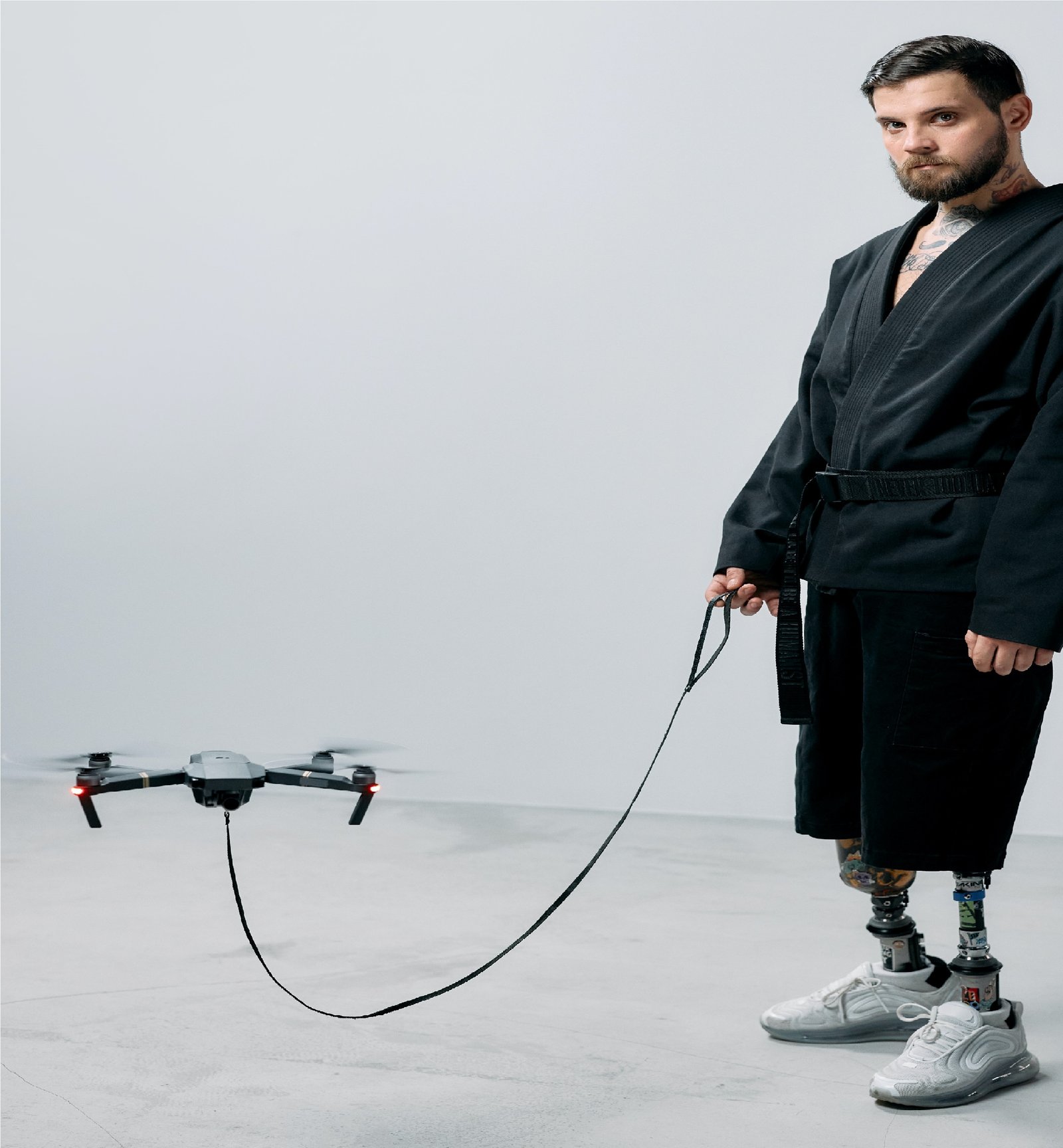
Introduction: In recent years, the use of drones has gained immense popularity for various industries across the globe. From aerial photography to package deliveries, drones have proven to be a valuable asset. However, with this increasing popularity comes the need for regulations to ensure proper safety measures and responsible use. In this article, we will explore the current state of drone regulations in Africa and how various countries on the continent are navigating these skies. Understanding the Importance of Drone Regulations: Drone regulations are vital for several reasons. Firstly, they promote safety by preventing collisions with other aircraft and protect people on the ground from potential accidents. Second, they help prevent unauthorized surveillance or the misuse of drones for criminal activities. Lastly, regulations facilitate the integration of drones into existing airspace management systems, ensuring smooth operations and preventing disruptions. Country Spotlight: South Africa: South Africa has been a pioneer in drone regulations on the African continent. The country's Civil Aviation Authority implemented the Remotely Piloted Aircraft Systems (RPAS) regulations in 2015, which laid a solid foundation for responsible drone use. These regulations classify drones based on their weight and purpose, and provide clear guidelines for operators to follow. It also mandates the registration of all drones and requires operators to obtain the necessary licenses and certifications. Nigeria's Approach: Nigeria is another African country that has recognized the importance of regulating drone operations. In 2016, the country's National Civil Aviation Authority developed the Remotely Piloted Aircraft Systems Regulations, aimed at ensuring safe drone usage. The regulations require drone operators to obtain permits and licenses, maintain a minimum age requirement, and comply with specific operational limitations. Kenya's Emerging Drone Regulations: In Kenya, the use of drones has grown rapidly, particularly in sectors like agriculture, wildlife conservation, and aerial surveying. Due to this growth, the Kenya Civil Aviation Authority has recognized the need for regulations to ensure responsible drone operations. While specific rules are still being developed, the draft regulations propose a registration process, restrictions on certain areas, permission requirements for flight operations, and penalties for non-compliance. Challenges and Opportunities: While progress is being made in establishing drone regulations across Africa, challenges remain. The lack of adequate infrastructure and limited resources for monitoring compliance are significant obstacles. Moreover, harmonizing drone regulations across the continent is crucial to facilitate cross-border operations and support regional collaborations. However, amidst these challenges lie incredible opportunities. The growth of the drone industry can contribute to job creation, technological advancements, and economic development. By having clear and comprehensive regulations in place, African countries can attract investments and explore innovative applications of drones in various industries, including healthcare, disaster management, and logistics. Conclusion: As the use of drones continues to soar in Africa, establishing efficient and comprehensive regulations is essential. Governments and regulatory bodies must strike a balance between enabling new opportunities and ensuring safety and security. Collaboration between African nations and international bodies can facilitate knowledge-sharing and best practices. By embracing sustainable and responsible drone operations, Africa can harness the tremendous potential of this technology for the benefit of its people and the continent's development as a whole. Want to learn more? Start with: http://www.afrospaces.com


